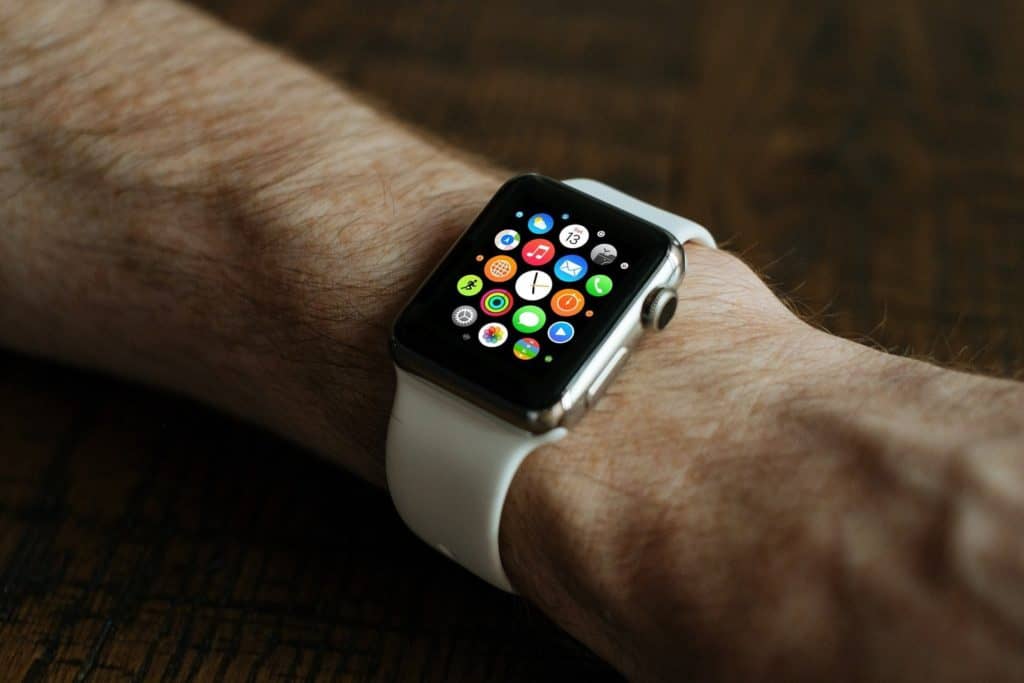
Heute geht es um Apples Vorstellung von einem Smart-Home. Alles was man über HomeKit wissen muss.
Apple wollte 2014 einen Standard schaffen, der es ermöglichen soll einfach ein Haus in ein „Smart Home“ zu verwandeln.
Erstmal zu den Begrifflichkeiten: Unter einem Smart Home versteht man ein Haus, welches man mit der Hilfe von IoT (Internet of Things) möglichst über ein Protokoll steuern und automatisieren kann. Zu den IoT Geräten können dabei alle Geräte in einem Haus zählen, vom Lichtschalter bis zur Waschmaschine.
Warum ein Protokoll?
Angenommen man hat ein Haus komplett ausgestattet mit smarten Geräten, Schaltern und Lampen. Dann ist es sehr wahrscheinlich, dass man diese von mindestens einer Hand voll verschiedener Hersteller gekauft hat. Nur wenige Hersteller haben ein so breites Portfolio um damit ein komplettes Haus auszustatten. Die Folge ist klar, jeder Hersteller setzt auf eigene Standards, was entsprechend auf dem eigenen Smartphone für ebenso viele Apps wie Hersteller sorgt. Wie unpraktisch das ist, sollte klar sein.
Um dieser Entwicklung vorzubeugen und eigenen Kunden das leben zu erleichtern, hat Apple dann also im September 2014 HomeKit Vorgestellt.
Welches Portfolio kann man mit HomeKit abdecken?
HomeKit ist nur langsam gewachsen, Hintergrund war und ist, dass jeder Hersteller seine Hardware bei Apple Zertifizieren lassen muss. Das Zertifikat hat Apple allerdings schon Jahre vorher etabliert, MFi, vormals „Made for iPod / iPhone / iPad“ hat Apple bereits für Zubehör-Hersteller für die, im Namen vorkommenden, Geräte gegründet. Nachteil ist, dass jedes Produkt entsprechenden Vorstellungen von Apple gerecht werden muss, außerdem ist die Lizenzierung natürlich mit kosten verbunden.
Dementsprechend mager fällt das Portfolio aus, es hat sich zwar in den letzten Jahren verbessert, dennoch hat man nur eine überschaubare Auswahl an Herstellern.
Apple hat 2019 angefangen, einige Dienste freizugeben die bislang Apple-Hardware vorbehalten war. So gibt es ganz neu die ersten Smart-TVs, die die AppleTV App und AirPlay2 unterstützen. Hier ist das Rollout im vollen Gange. Zu den Herstellern, die AirPlay 2 auf dem TV unterstützen oder demnächst unterstützen gehören unter anderem: LG, Sony, Samsung und VIZIO. Jeweils mit ausgewählten Modellen.
AirPlay 2
AirPlay 2 ist auch noch recht neu, dies ist ein Multi-Room-Lautsprechermanagement, mit dem sich der gleiche Ton Synchron auf mehreren Lautsprechern abspielen lassen. Zu den Herstellern gehören Bang & Olufsen, Bowers & Wilkins, Denon, KEF, Libratone, Yamaha und weitere.
Diese beiden Protokolle sind zwar auch getrennt zu sehen, fügen sich aber in die HomeKit-Landschaft ein. AirPlay (1. Generation) ist im übrigen nicht integiert.
Licht und Lampen
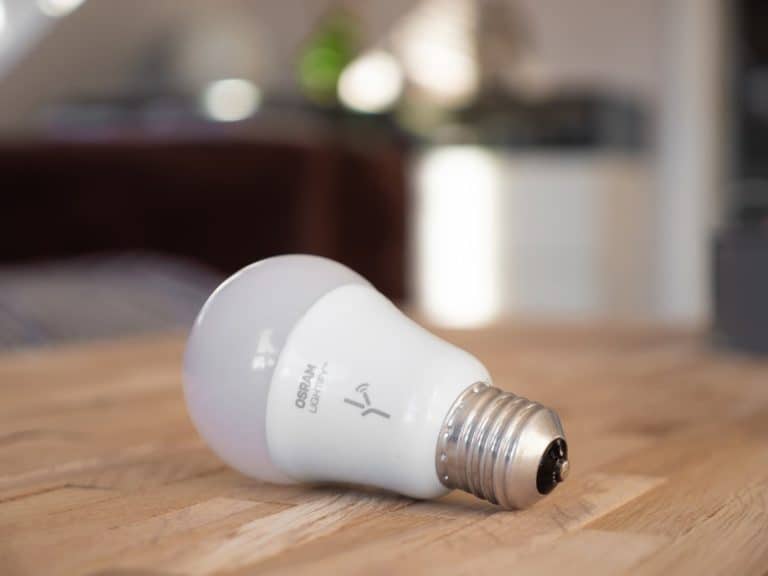
Beim Licht wird es spannend. Hier gibt es eigentlich schon ewig Hersteller, die Anzahl ist aber auch erst in den letzten Jahren größer geworden. Man muss hier unterscheiden zwischen den Lampen die direkt Kommunizieren und denen, die über eine Bridge angeschlossen werden müssen. Für letzteres wäre Phillips Hue ein Beispiel. Sogar IKEA hat seit kurzem Smarte Lampen.
Schalter
Beim Schalten gibt es leider wenige Schalter, die ich so richtig gut finde. Meistens ersetzen diese nicht vorhandene Unterputzschalter, sondern sind zusätzlich anzubringen. Für den Deutschen Markt ist die Auswahl sehr begrenzt, nennenswert ist höchstens Koogeek.
Steckdosen
Hier sieht es ähnlich schlecht aus, für den Deutschen Markt sind eigentlich nur Elgato Eve und Koogeek Smart Plug zu nennen. Beide habe ich auch im Einsatz.
Thermostate
.. laufen in den meisten fällen nur über eine Bridge, Eve Energy ist da vielleicht noch eine Ausnahme.
Und das geht so weiter…
Bei den meisten Kategorien sind die Produkte entweder nur angekündigt oder in Deutschland nicht verfügbar.
Einziger Hoffnungsschimmer sind Bridges. Einige Produkte fallen bei der Auflistung auf Apple.com hinten runter, da zum Beispiel Gardena, tado und so weiter nur ihre Bridges Zertifizieren lassen, nicht aber die Endgeräte.
Außerdem gibt es noch Bastellösungen, siehe HomeBridge – Bericht Folgt
Fazit
Apple hat zwar eine potente Plattform geschaffen, aufgrund von aufwendigen Zertifizierungsprozessen, gibt es aber nur wenig Hardware, welche zusätzlich auch häufig sehr viel teurer ist, als bei Amazon oder Google kompatiblen Geräten.
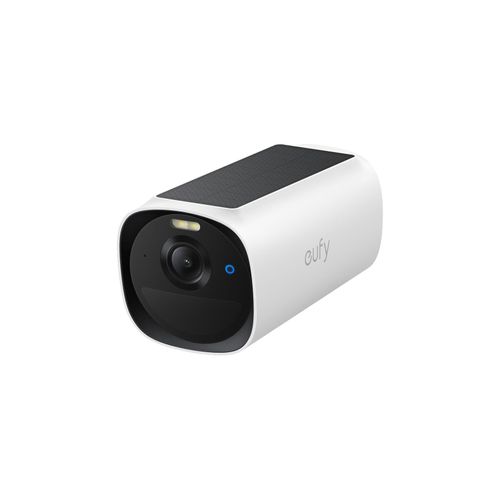
eufy E40 Zusatzkamera – Intelligente Überwachung für Ihr ZuhauseDieeufy E40 Zusatzkameraist die ideale Lösung für eine zuverlässige und flexible Überwachung Ihres Hauses. Mit ihrer hochauflösenden 2K QHD & MaxColor Vision-Technologie liefert sie auch b
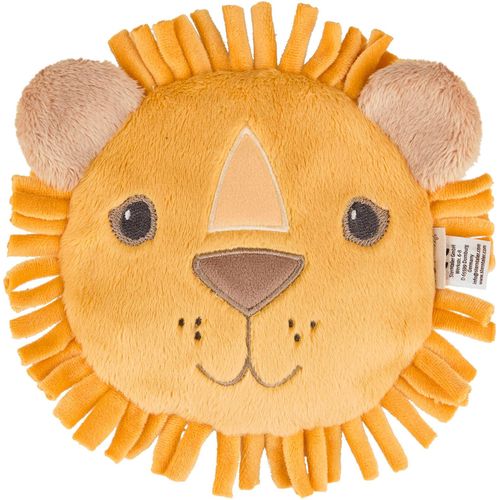
Das Baby Wärmekissen Löwe Leo mit niedlichem Gesicht, angesetzten Ohren und kleiner Zottelmähne ist eine kindgerechte Alternative zur Wärmflasche. Das kleine Kuschelkissen spendet Trost bei kleineren Wehwehchen oder wärmt in der kühleren Jahreszeit. Das herausnehmbare Hafersäckchen kann sowohl im Backofen als auch in der Mikrowelle erwärmt werden. Die Außenhülle ist ohne das Hafer Inlet pflegeleicht in Waschmaschine zu reinigen., Produktdetails: Eigenschaften: mikrowellengeeignet, zum Erwärmen im Backofen geeignet, Verschluss: Klettverschluss, Form: Motivform, Material: Material: Polyester, Maße & Gewicht: Breite: 14 cm, Länge: 15 cm, Höhe: 3 cm, Gewicht: 157 g, Hinweise: Pflegehinweise: waschbar, Warnhinweise: Aufwärmen des Säckchens im Backofen: Backofen auf 75°C vorheizen. Vor dem Erhitzen das Hafersäckchen aus der Außenhülle entnehmen und auf einen sauberen Rost legen. Den Rost auf der mittleren Schiene in den Ofen schieben. Maximal 15 Minuten im Backofen lassen. Hafersäckchen ausndem Ofen entnehmen und die Temperatur des Hafersäckchens kontrollieren, bevor Sie es wieder in die Außenhülle geben. Die Temperatur darf Handwärme nicht übersteigen. Sie sollten für diese Kontrolle das Hafersäckchen in der Hand halten. Falls das Kissen zu heiß wird, vor Gebrauchnentsprechend abkühlen lassen. Bei Gebrauch für Kinder wird Aufsicht durch Erwachsene empfohlen. Besondere Hinweise im sicheren Umgang mit dem Wärmekissen: Das Hafersäckchen niemals ohne Außenhülle für das Kind benutzen. Das Hafersäckchen ist auszutauschen, wenn Verfärbungen und Verbrennungen auftauchen. Dies kann durch falsche Handhabung (Überhitzung oder Übertrocknung) entstehen. Hafersäckchen nur in die saubere und trockene Außenhülle einlegen. Hafersäckchen trocken und kühl lagern um Keimbildung zu vermeiden. Das Wärmekissen darf nicht bei Frühchen und Kindern unter 1 Monat angewendet werden. Das Hafersäckchen ist für die Erwärmung im Backofen vorgesehen. Bei Mikrowellenbenutzung (Beispiel: 600 Watt ca. 90 Sek.) ist nach dem 1. Handwärmetest ca. 5 Min. zu warten und vor dem Hineingeben in die textile Hülle ein zweiter Handwärmetest durchzuführen, da mit einem Temperaturanstieg zu rechnen ist. Daher empfehlen wir das Aufwärmen im Ofen und nicht in der Mikrowelle. Nicht mit Grillfunktion erwärmen. Hafersäckchen vor dem Waschen entfernen, Altersempfehlung: ab 1 Monat, Farbe: Farbbezeichnung: ocker
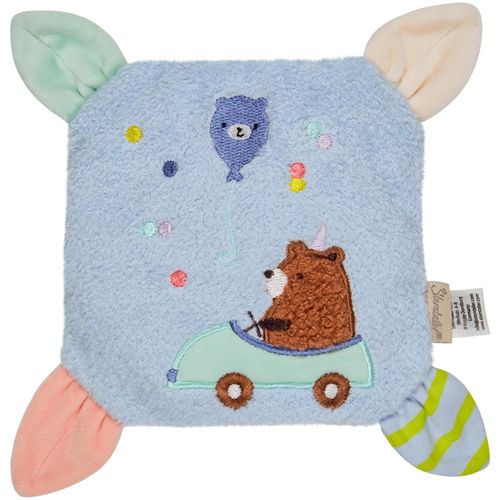
Das Wärmekissen BÄR Bob ist ein kuschelig weicher Begleiter für Babys und Kleinkinder und spendet wohltuende Wärme und Trost bei kleineren Wehwehchen. Das liebevolle Stickmotiv mit Bär und Seifenkiste sowie die farblich abgesetzten Ecken mit verschiedenen Strukturen machen das Wärmekissen zu einem besonderen Hingucker. Im Inneren befindet sich ein herausnehmbares Hafersäckchen „Made in Germany“, das je nach Bedarf im Backofen oder in der Mikrowelle erwärmt werden kann. Die weiche Hülle aus 100 % Polyester fühlt sich angenehm auf der Haut an und lädt zum Kuscheln ein. Dank des herausnehmbaren Innensäckchens lässt sich die Hülle bequem bei 40 Grad waschen. Das Wärmekissen BÄR Bob eignet sich ideal für gemütliche Kuschelmomente, als liebevolles Geschenk zur Geburt oder als praktischer Alltagsbegleiter im Kinderzimmer., Produktdetails: Anwendungsgebiet: Bauch, Rücken, Eigenschaften: mikrowellengeeignet, zum Erwärmen im Backofen geeignet, Verschluss: Klettverschluss, Form: eckig, Material: Material: Polyester, Maße & Gewicht: Breite: 20 cm, Länge: 20 cm, Höhe: 3 cm, Hinweise: Warnhinweise: Aufwärmen des Säckchens im Backofen: Backofen auf 75°C vorheizen. Vor dem Erhitzen das Hafersäckchen aus der Außenhülle entnehmen und auf einen sauberen Rost legen. Den Rost auf der mittleren Schiene in den Ofen schieben. Maximal 15 Minuten im Backofen lassen. Hafersäckchen ausndem Ofen entnehmen und die Temperatur des Hafersäckchens kontrollieren, bevor Sie es wieder in die Außenhülle geben. Die Temperatur darf Handwärme nicht übersteigen. Sie sollten für diese Kontrolle das Hafersäckchen in der Hand halten. Falls das Kissen zu heiß wird, vor Gebrauchnentsprechend abkühlen lassen. Bei Gebrauch für Kinder wird Aufsicht durch Erwachsene empfohlen. Besondere Hinweise im sicheren Umgang mit dem Wärmekissen: Das Hafersäckchen niemals ohne Außenhülle für das Kind benutzen. Das Hafersäckchen ist auszutauschen, wenn Verfärbungen und Verbrennungen auftauchen. Dies kann durch falsche Handhabung (Überhitzung oder Übertrocknung) entstehen. Hafersäckchen nur in die saubere und trockene Außenhülle einlegen. Hafersäckchen trocken und kühl lagern um Keimbildung zu vermeiden. Das Wärmekissen darf nicht bei Frühchen und Kindern unter 1 Monat angewendet werden. Das Hafersäckchen ist für die Erwärmung im Backofen vorgesehen. Bei Mikrowellenbenutzung (Beispiel: 600 Watt ca. 90 Sek.) ist nach dem 1. Handwärmetest ca. 5 Min. zu warten und vor dem Hineingeben in die textile Hülle ein zweiter Handwärmetest durchzuführen, da mit einem Temperaturanstieg zu rechnen ist. Daher empfehlen wir das Aufwärmen im Ofen und nicht in der Mikrowelle. Nicht mit Grillfunktion erwärmen. Hafersäckchen vor dem Waschen entfernen, Altersempfehlung: ab Geburt, Farbe: Farbbezeichnung: himmelblau
M.Sc. Fynn Trenkner ist Redaktionsleiter von FirstReview und Experte für Apple, Smart Home, Audiotechnik und Gaming. Als Kopf hinter unserem YouTube-Kanal liefert er spannende Reviews und fundierte Technik-Insights.